Executive Summary
WB Parlor Games: Turning Phones Into a Shared Play Space
This concept and strategy work became the foundation for WB Psych!, which moved into full production.
Company
Warner Brothers
Timeline
3 months
Project
Same-room parlor game concepts
My Role
Creative Director
The Problem
- Sequence had taken over porting Heads Up! (Warner Brothers’ wildly successful mobile game for a popular daytime talk show) to Android, and Warner Brothers came back asking us to explore a drawing game
- Where Heads Up! used a single phone for a whole group, this time Warner Brothers wanted every player’s phone connected to the others to facilitate a same-room gaming experience
- The “digital parlor game” mandate meant making the phone the game piece that facilitated social interaction, not the distraction that pulled players away from each other
Outcome
- Over a dozen drawing game concepts were mocked up and play-tested; four were presented to our immediate clients and two advanced to the show’s executive producing team
- When the creative team asked to widen the brief beyond drawing games, we prototyped Psych! and a connected Hide-n-Seek and pitched all four concepts
- The producing team greenlit Psych! and Draw It for production. See WB Psych!
My Role
- Framed the design opportunity: digital in a supporting role only, with human interaction and play as the primary experience
- Ran the research that defined our drawing game experience principles, then led the team through concepting, mock-ups, and play-testing
- Drove the networking investigation that determined how a room full of iOS and Android phones would connect for play.
Detailed Case Study
Context and Challenge
The Opportunity
I saw the “digital parlor game” mandate as a chance to bring the classic drawing game into a whole new type of experience: one where digital played a supportive role only, and human interaction and play were the primary experience. That stance became the filter for everything that followed: a mechanic that pulled players onto their screens and away from each other was the wrong mechanic.
Why This Problem Mattered
What was not working
Most mobile games of the era were designed for solo or remote play, not for a room full of people already together
Why it was hard
There was no established model for the play mechanics that create same-room interplay through a phone: what belongs on the screen, what belongs to the room, and how a turn passes between people rather than through the device
Strategic risk
Without a validated concept, there was no clear path from “interesting idea” to a game Warner Brothers could greenlight for production.
Constraints and Complexities
Technical
Connecting a mixed group of Apple and Android phones into a single live game session was still largely unproven, and the mandate for both platforms in the same game ruled out the easiest networking option available to us
Design
The phone had to stay in a supporting role: the game had to live in the room between the players, not on the screen
Breadth of Exploration
The brief started with drawing games and later widened to other parlor game genres, each of which had to be prototyped and play-tested
My Role and Decision Ownership
I directed three designers and one researcher, and I was the design interface with the development team, defining the requirements the builds were made against.
Research Lead
Ran an audit of popular drawing board games, recruiting agency staff into game nights to understand what different mechanics brought to the experience
Concept Lead
Led the team through more than a dozen game concepts, all mocked up and play-tested before anything went to the client
Technical Direction
Guided the networking exploration through three candidate approaches to an informed, cross-platform decision
Approach & Execution
Understand What Makes a Drawing Game Fun
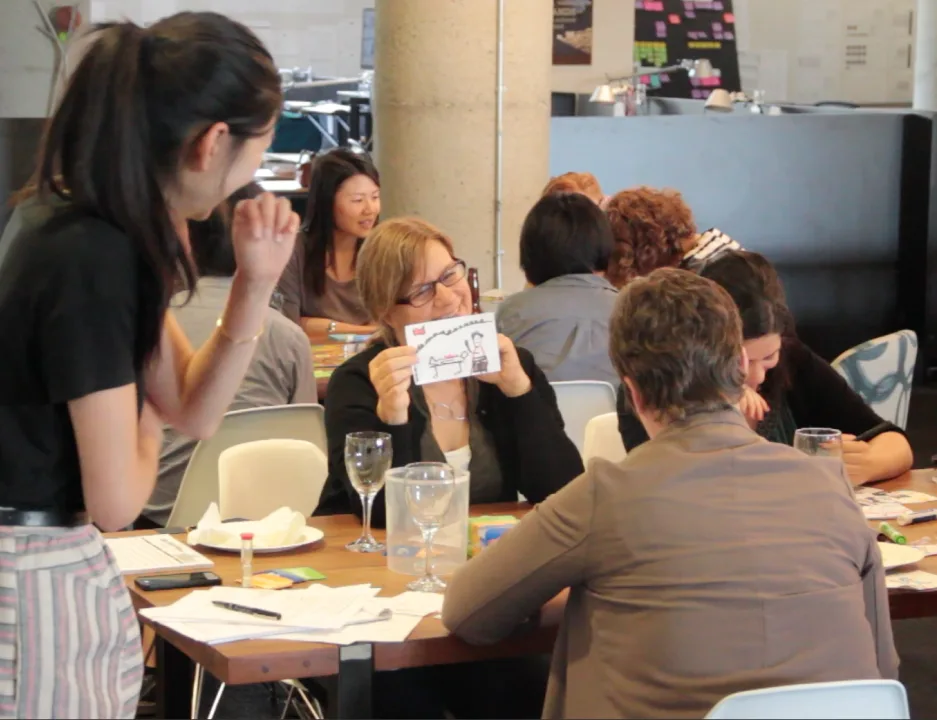
First we completed an audit of popular drawing board games, recruiting the agency staff into game nights to better understand what different gaming mechanics brought to the experience.
Game Night Audit
We recruited agency staff into game nights and played popular drawing board games ourselves, documenting each one’s attributes and takeaways on the wall
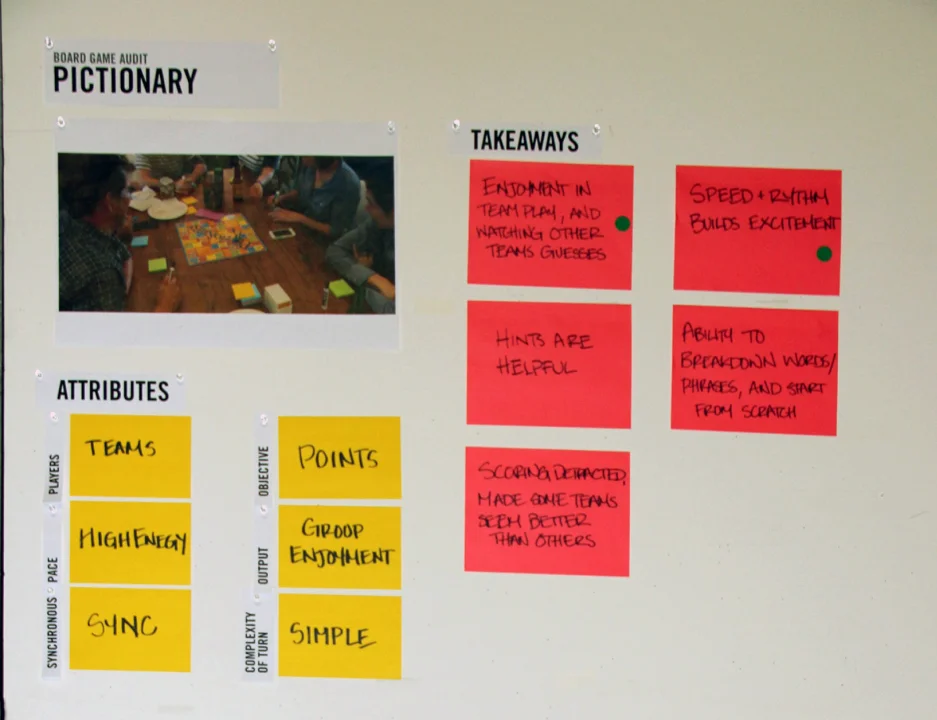
Pictionary
Teams, high energy, synchronous. Enjoyment came from team play and watching other teams guess, and speed and rhythm built excitement, but scoring detracted, making some teams seem better than others
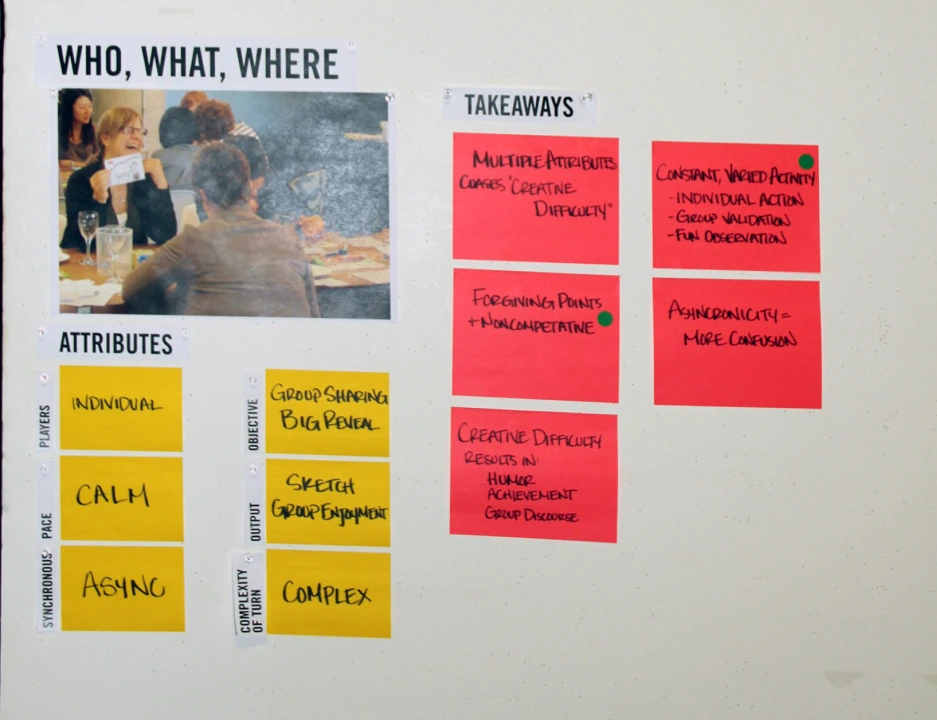
Who, What, Where
Individual, calm, asynchronous. Multiple attributes created a “creative difficulty” that paid off in humor, achievement, and group discourse, though asynchronicity also meant more confusion
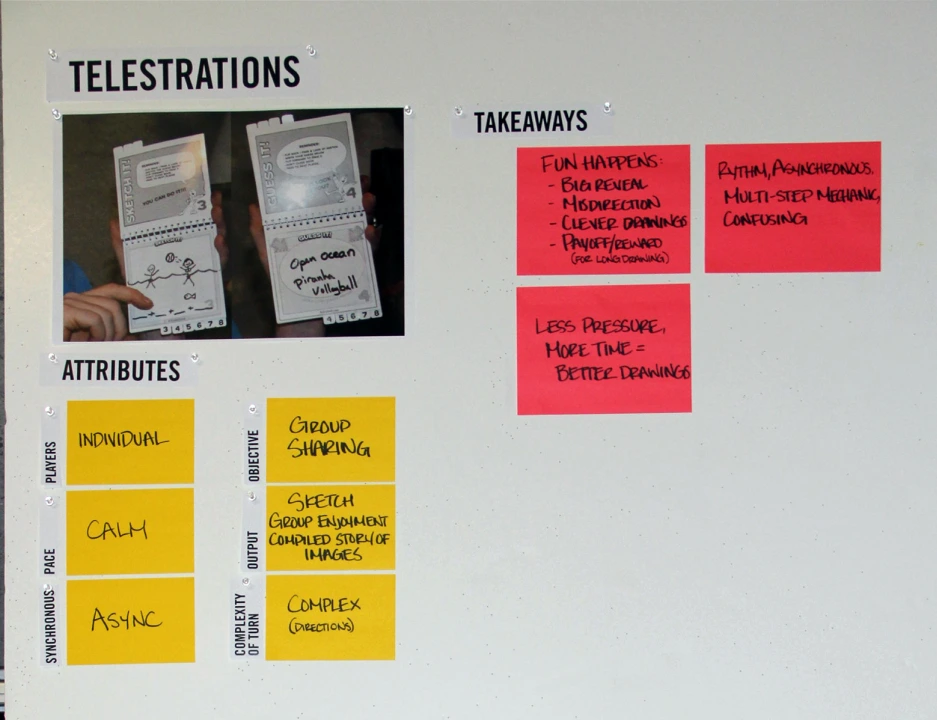
Telestrations
Fun came from the big reveal, misdirection, and clever drawings. Less pressure and more time produced better drawings, but the multi-step asynchronous mechanic was confusing
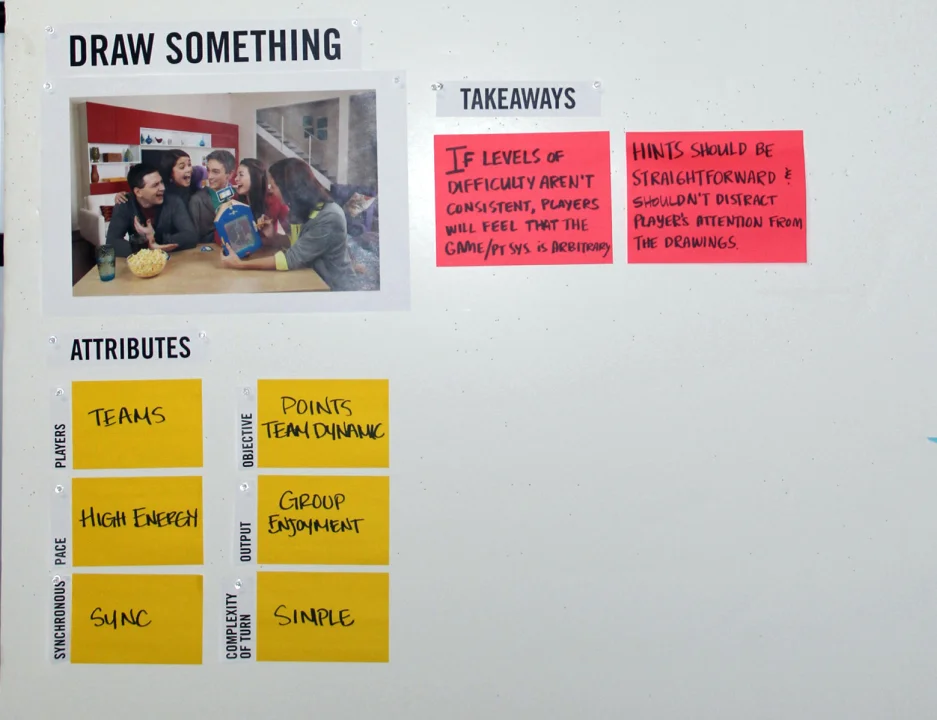
Draw Something
When levels of difficulty were not consistent, the point system felt arbitrary. And hints needed to stay straightforward rather than pull attention away from the drawing
Drawing Game Principles
From this research, we drafted a set of experience principles for drawing games, which became our foundation for sketching possible connected game experiences.
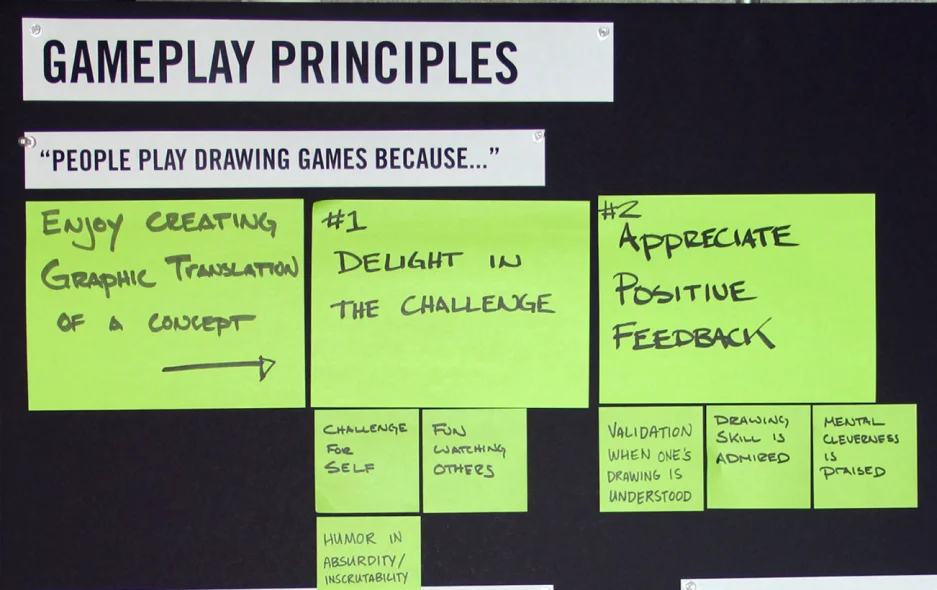
Why People Play Drawing Games
People enjoy creating a graphic translation of a concept. Above that sat two drivers: they delight in the challenge, and they appreciate positive feedback when a drawing is understood or a clever idea is praised
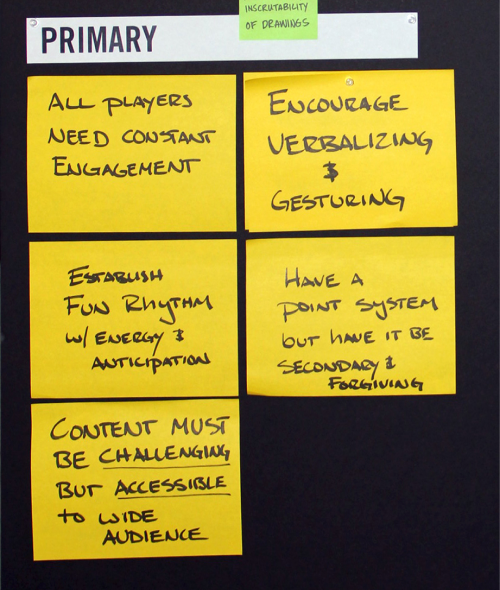
Primary Principles
All players need constant engagement; encourage verbalizing and gesturing; establish a fun rhythm with energy and anticipation; keep the point system secondary and forgiving; make content challenging but accessible to a wide audience
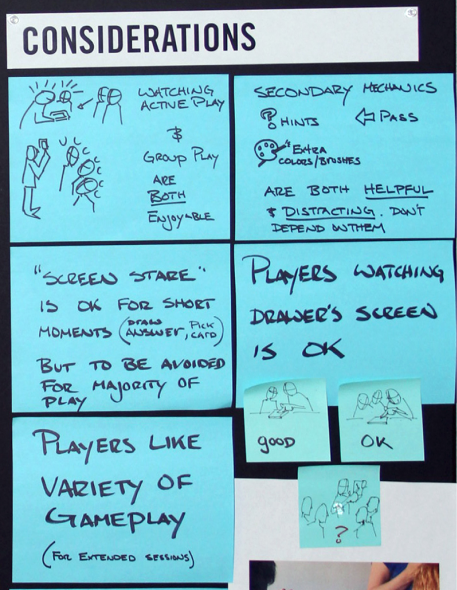
Consideration Principles
Watching active play and playing in a group are both enjoyable. Secondary mechanics like hints and passes help but distract, so do not depend on them. “Screen stare” is fine for short moments but should be avoided for the majority of play
Drawing Game Concepts
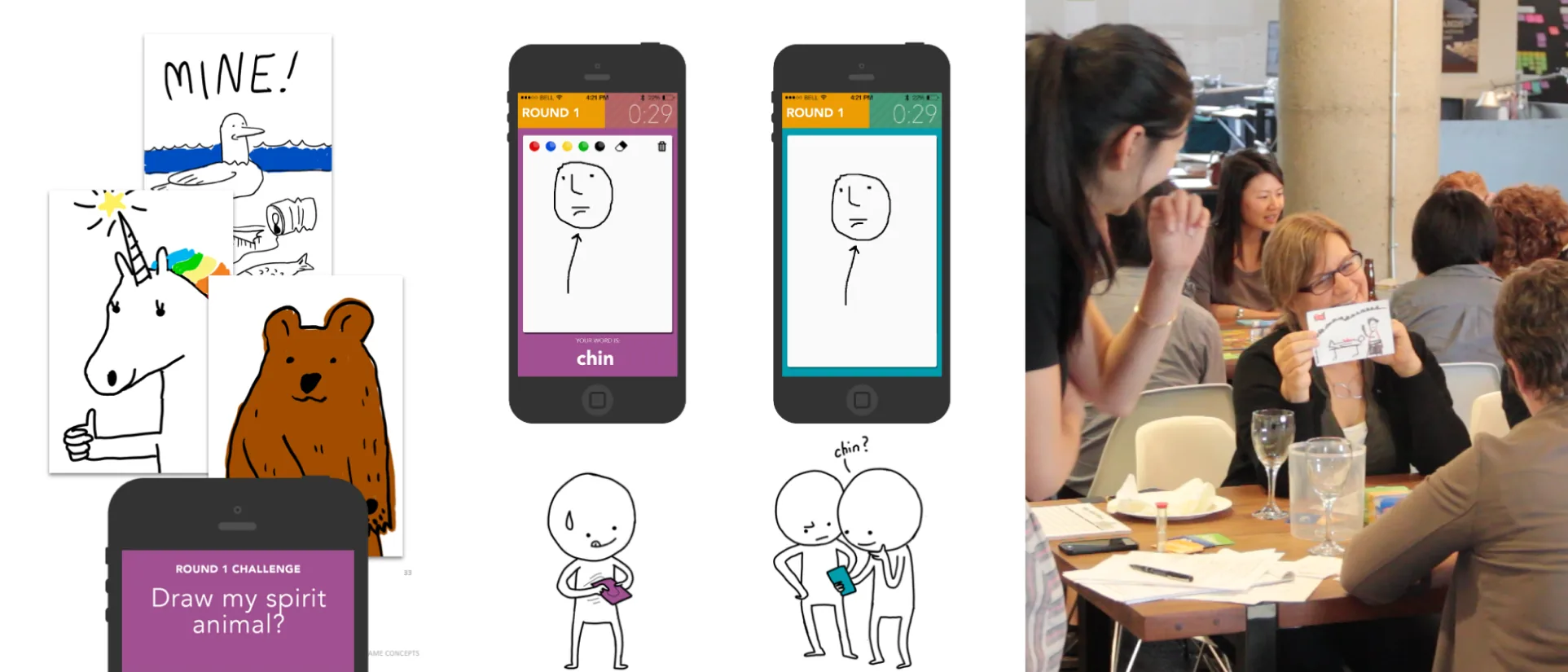
I led a team that came up with over a dozen different game concepts, all of which were mocked up and play-tested, either on paper or using simple app tools to emulate the game mechanics.

Speed Draw
A classic drawing turn on the phone: get your word, draw against the clock, then pass the phone on. Explored as both a lightning round and an increasing-difficulty ladder
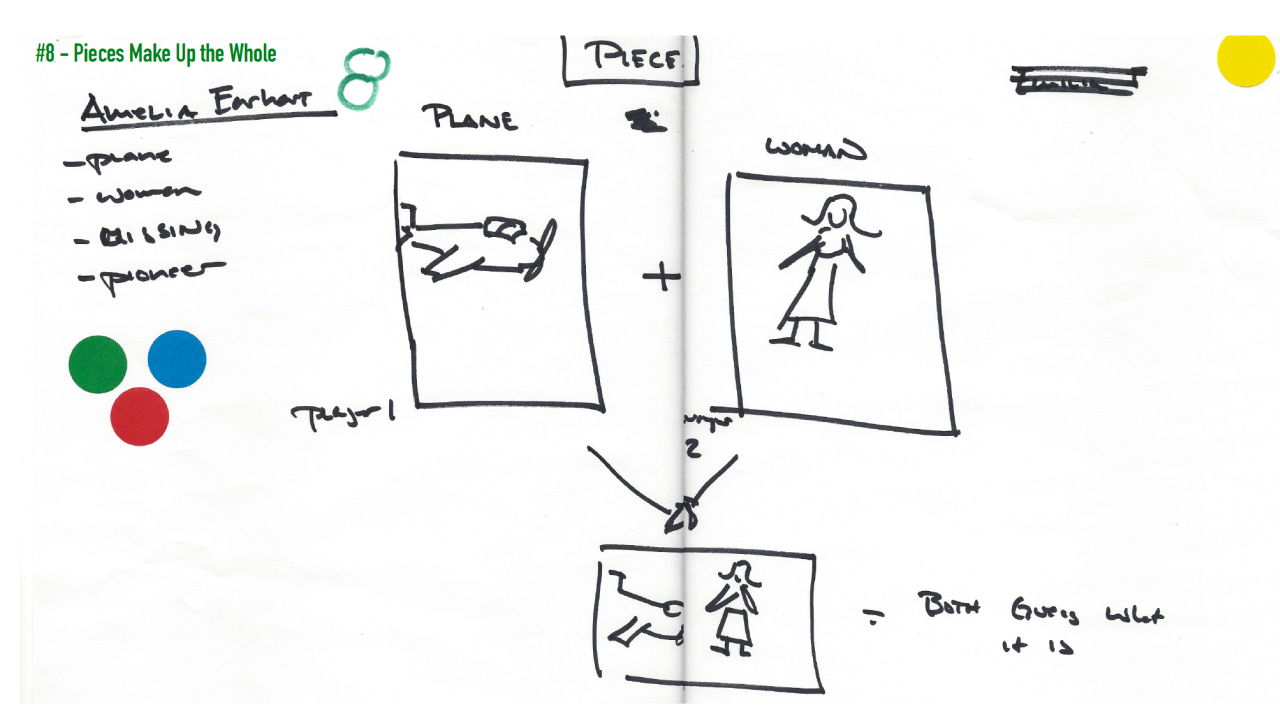
Pieces Make Up the Whole
Each player draws one attribute of a subject (a plane, a woman) and the pieces combine into a single composite the group has to name

Apples to Apples
One player draws a prompt card; the others answer it by choosing the best card from their own hand, playing to the judge rather than to a right answer

Who, What, Where
Shake the phone to generate a who, a what, and a where (King Kong, defusing a bomb, in a cemetery), then start the timer and draw it

Spirit Animal
A single prompt goes out to the room and every player answers it with a drawing, turning one question into a spread of personal interpretations
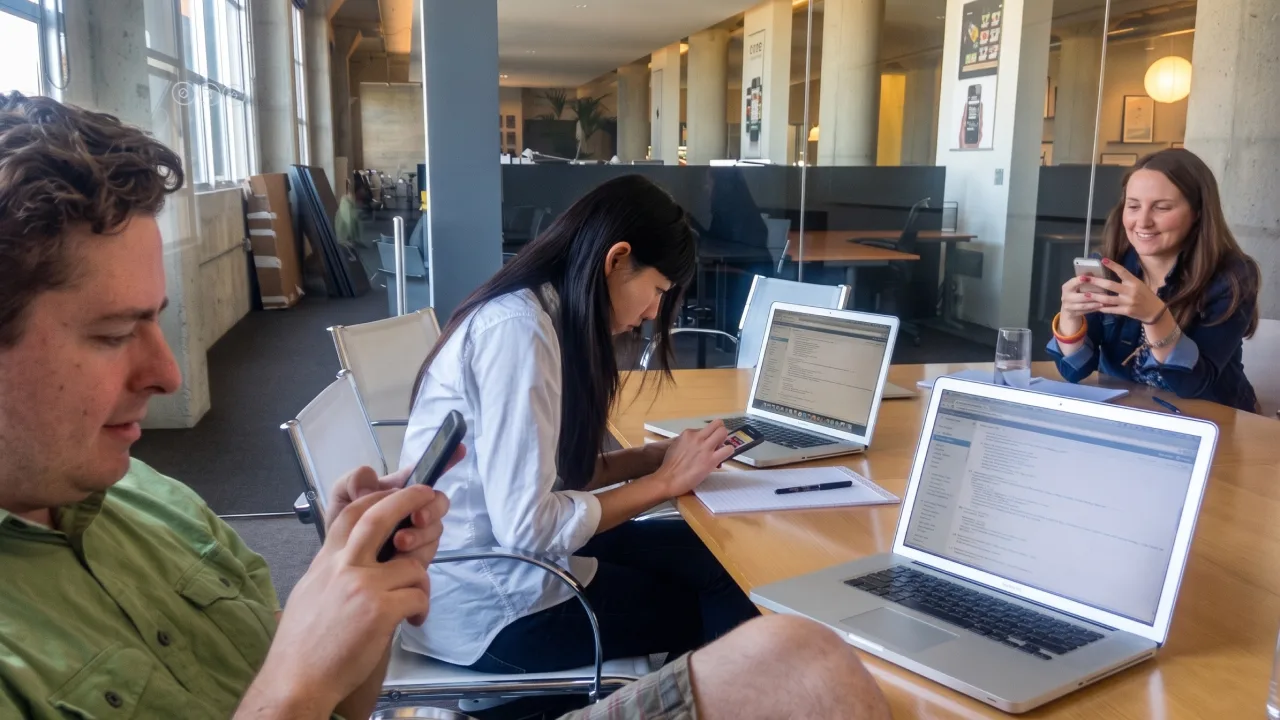
Play-Testing
Every concept was played before it was pitched, on paper or through simple app tools that emulated the mechanic
Working Through the Network Challenge
At the same time, we knew we needed to establish how we were going to network a group of phones together to play a game. There were options, but we needed to uncover their strengths and weaknesses to make an informed decision.
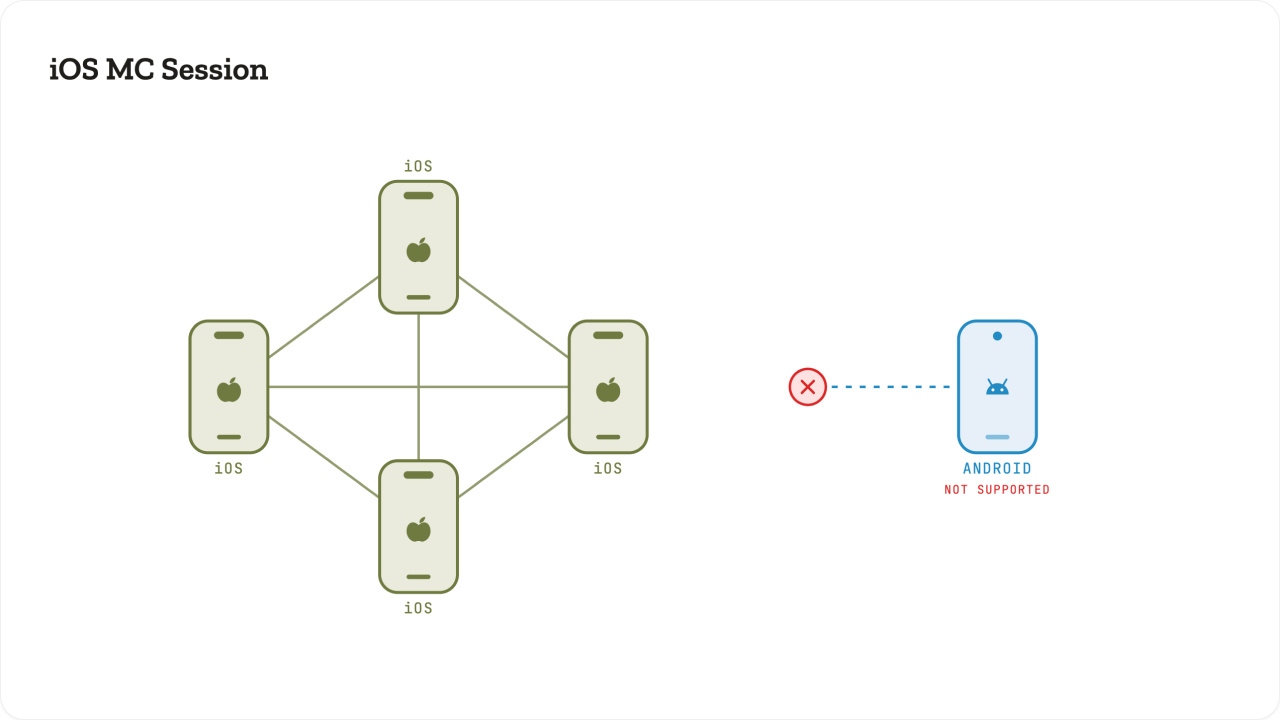
Apple MCSession
We started with the easiest option, iOS’s multipeer networking framework. It was easy to implement, but it only worked with Apple devices, and our client mandate was for both Apple and Android phones to work within the same game
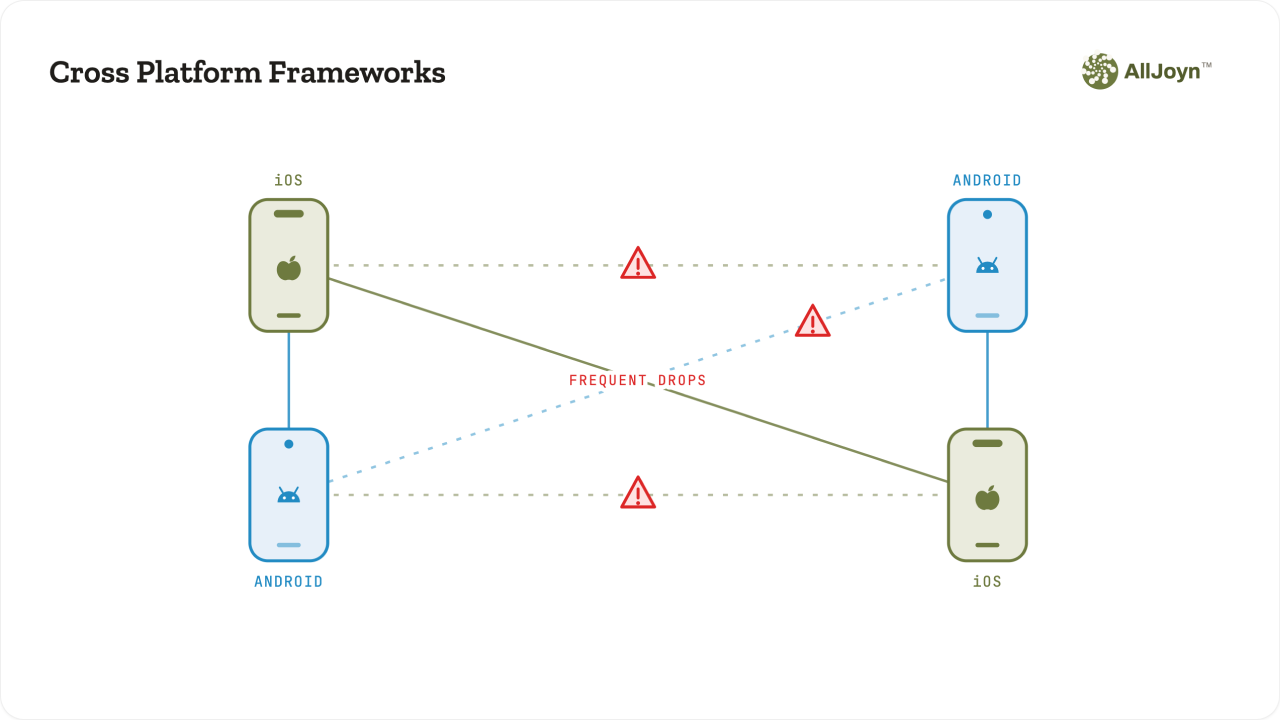
Cross-Platform Frameworks
Second, we looked at cross-platform frameworks like Qualcomm’s AllJoyn. Connections between devices dropped frequently, and the stability of the network did not live up to our needs
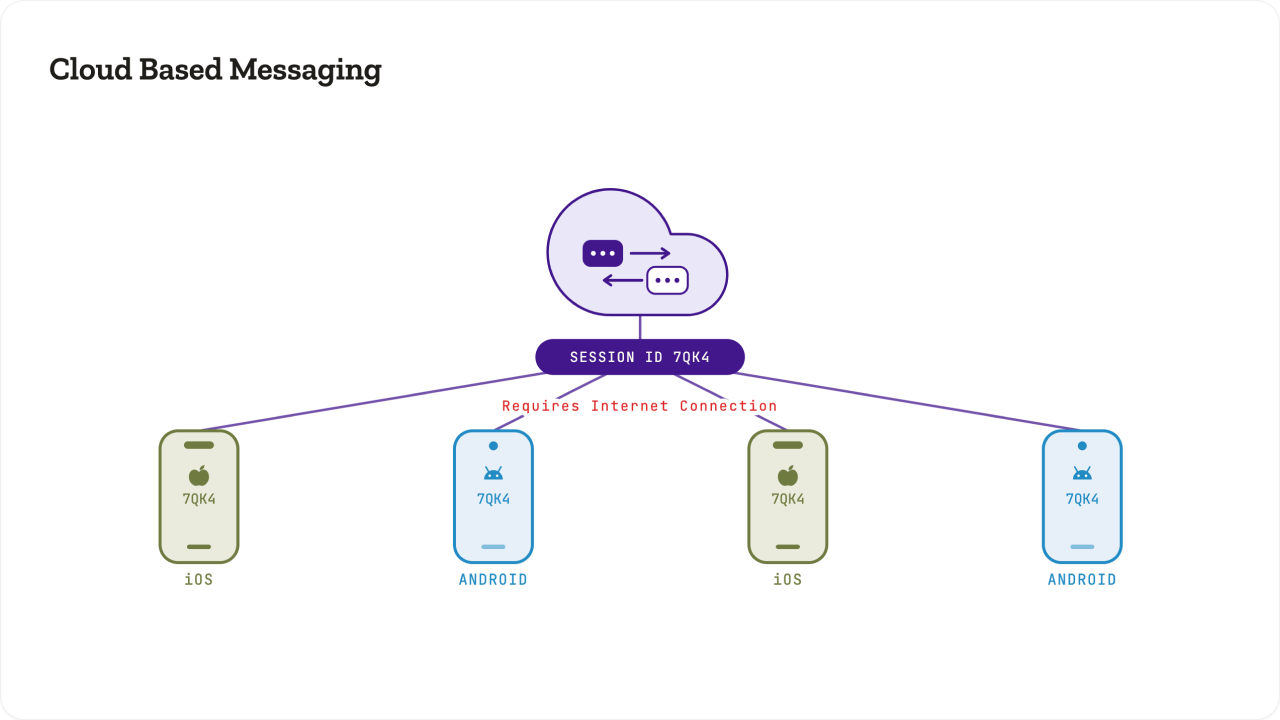
Cloud-Based Messaging
That led to the final exploration: a cloud-based messaging system where each device entered a unique session code to join a game started by another. It worked flawlessly wherever an internet connection was available
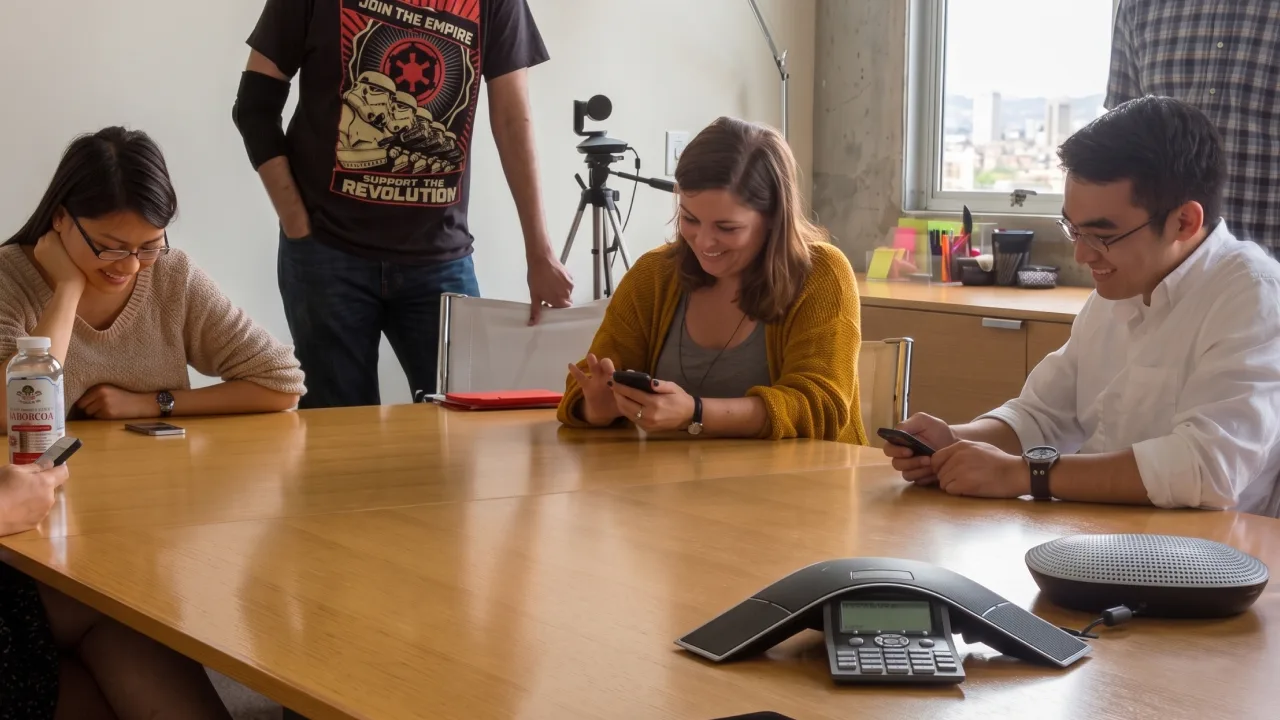
Testing the Options
Each approach was play-tested with a room full of phones: the only honest way to see which one held a live session together
Narrowing to a Pitch
We showed four drawing game concepts to our immediate clients. Two were chosen to take to the executive producing team of the television show: Speed Draw, a classic Pictionary-like game with unique capability supported by a phone experience, and Luck of the Draw, a game in the vein of Apples to Apples or Cards Against Humanity where you played more to the judge than to the “correct” answer.
Broader Game Concepts
Then the team received a call: the creative team of the talk show wanted to expand the game options outside of drawing games, to include a variation on the classic 1980s game Balderdash that we wanted to call Psych!, and to explore using phones in a game of Hide-n-Seek. I led the team to bring our principles to these two new games, created prototypes, and pitched all four to the producing team.
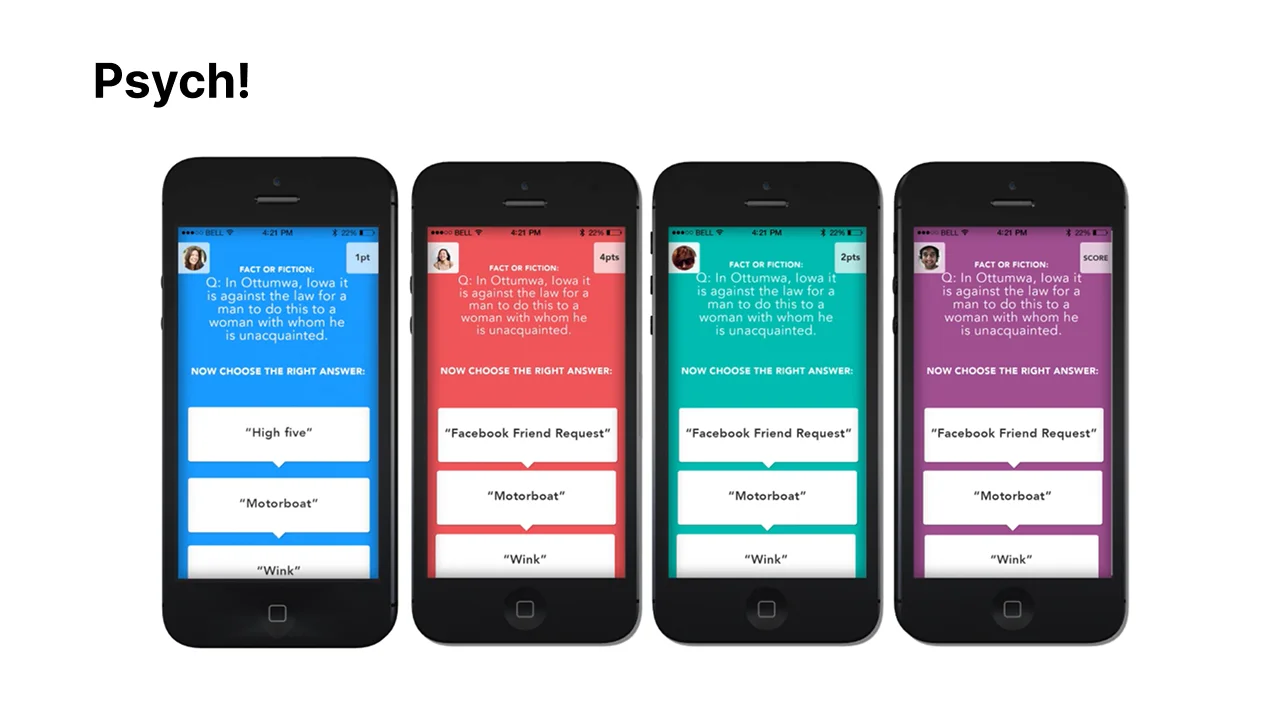
Psych!
A variation on the classic 1980s game Balderdash: create a fake answer to the question, and if others guess your answer is the real one, you win. Moved into full production. See WB Psych!
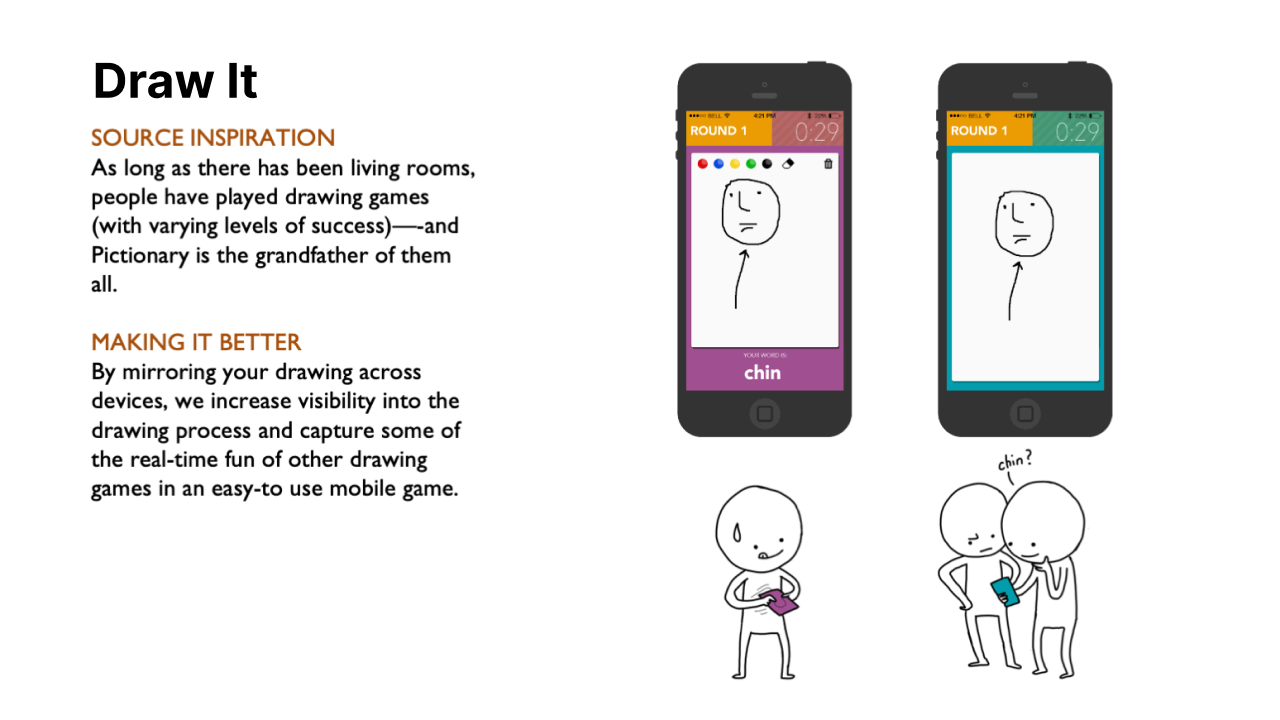
Draw It
Pitched as Speed Draw. Mirroring the drawing across devices increased visibility into the drawing process and captured the real-time fun of a living-room drawing game
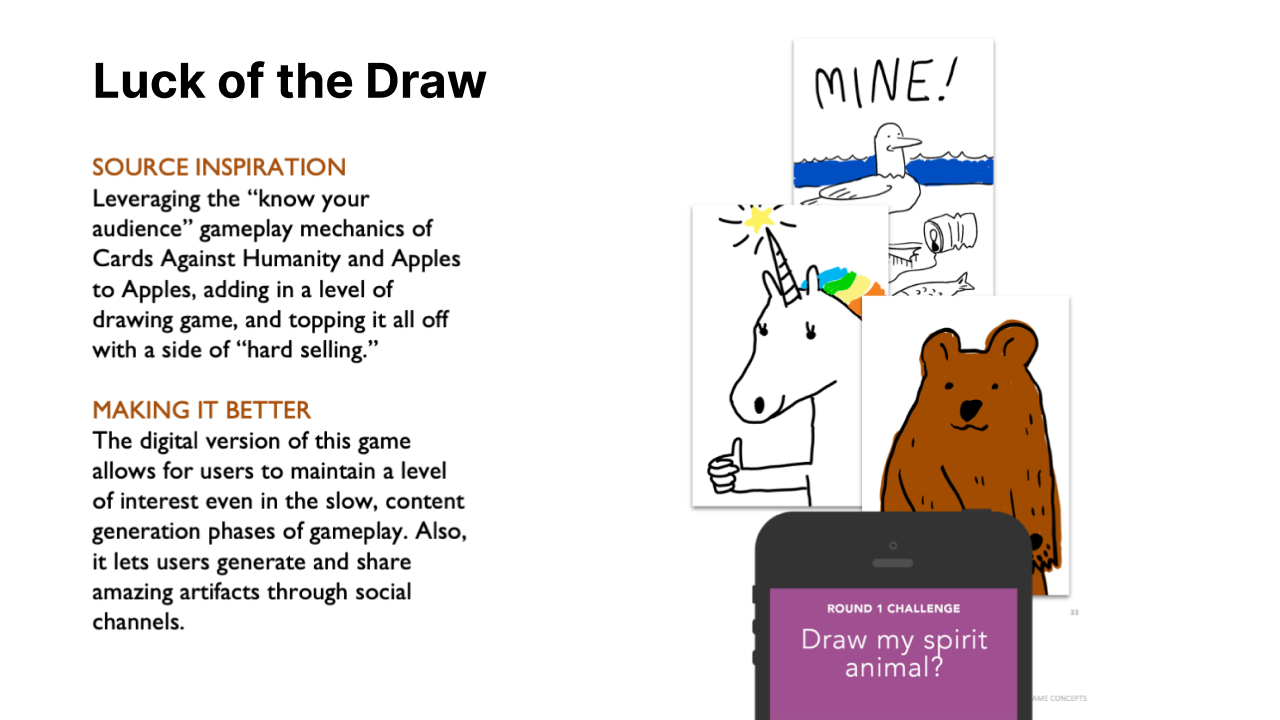
Luck of the Draw
The “know your audience” mechanic of Cards Against Humanity and Apples to Apples, played with drawings, and a side of hard selling to the judge
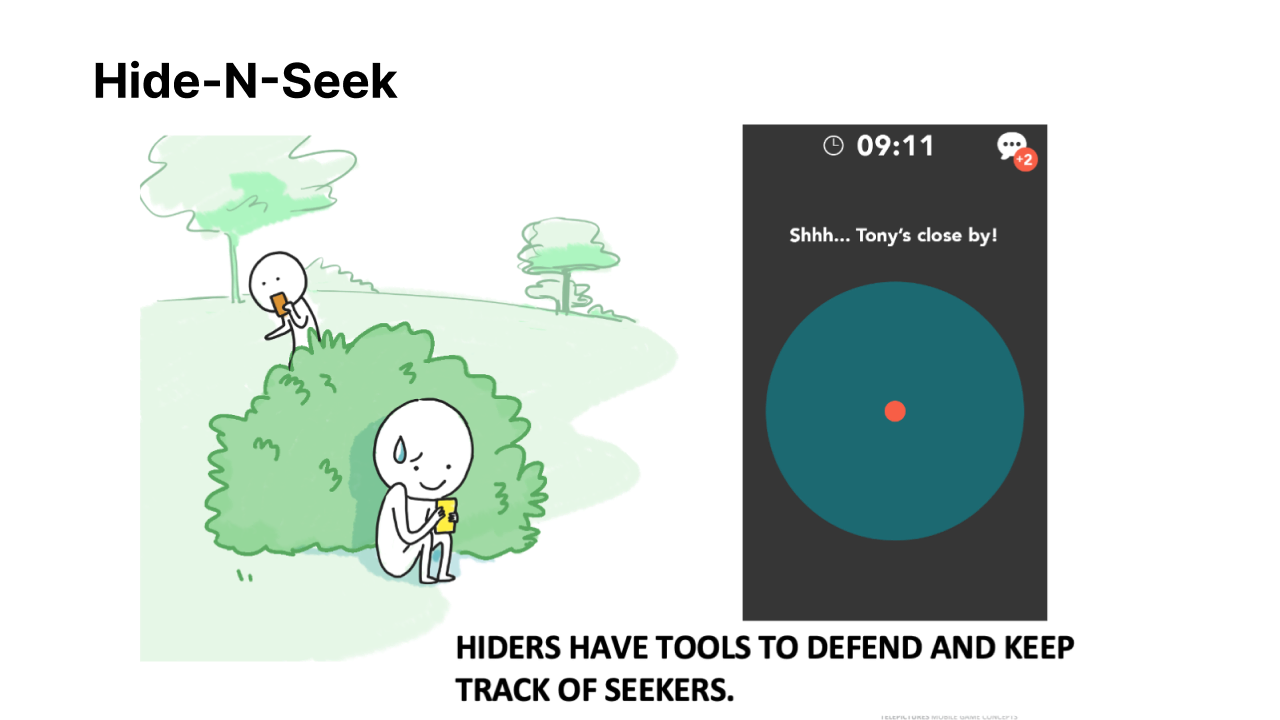
Hide-N-Seek
The neighborhood game augmented with connected devices: hiders get tools to track seekers and throw them off the scent
Outcome & Influence
We won the producing team over and got orders to create Psych! and Draw It first. See WB Psych!: Cross-Platform Same-Room Multiplayer for how that concept became a shipped product that reached 3M+ downloads in its first year.
12+
Concepts Prototyped
Every one mocked up and play-tested on paper or with simple app tools
4
Games Pitched
Speed Draw, Luck of the Draw, Psych!, Hide-n-Seek
2
Greenlit
Psych! and Draw It ordered into production