Executive Summary
Solving Same-Room Multiplayer: Shipping Psych! Across iOS and Android
Company
Warner Brothers
Timeline
9 months
Project
Cross-platform multiplayer app
My Role
Creative Director
The Problem
- Warner Brothers/Ellen Digital Ventures wanted to build on the success of Heads Up to create a same-room multiplayer game that used mobile phones as devices that facilitated gameplay instead of being a distraction.
- We knew the connected devices needed to feel as reliable as a physical board game: no lag, no dropped players, no “did everyone get the round?” confusion
- Getting a group onto the same live game across a mix of iOS and Android phones was difficult because neither Apple nor Google was motivated to create a cross-platform framework.
Outcome
- Shipped a cross-platform real-time sync engine using a cloud-based messaging system stable enough for casual, non-technical groups to trust on the first try
- Psych! reached 3M+ downloads in its first year and was named an App Store Editors’ Choice
My Role
- Creative Director, Design & Dev Team Manager
- Set the reliability bar and made the design/technical trade-off calls to hit it
- Guided the team from concept through cross-platform production and launch
Detailed Case Study
Context and Challenge
Why This Problem Mattered
What was not working
- Apple’s MCSession mesh network only worked for iOS devices.
- Cross-device multiplayer frameworks of the era (e.g., Qualcomm’s AllJoyn) could not reliably hold a live session together
Why it was hard
- iOS and Android handle background networking, discovery, and permissions differently: a same-room game has to paper over all of it invisibly
- The target audience was casual, non-technical groups with zero patience for “reconnect and try again”
Strategic risk
A flaky multiplayer experience would undercut the entire premise: that phones could bring a room together instead of splitting it apart
Constraints and Complexities
Design
Needed onboarding simple enough that a room of mixed-device friends could start playing in under a minute
Technical
- Rebuilt the multiplayer session layer in-house after off-the-shelf frameworks proved too unreliable for live group play
- Needed graceful recovery when a single player’s connection dropped mid-round, without stalling the rest of the room
Brand
Game had to feel authentically Ellen and resonate with same-room social play, not generic game mechanics
My Role and Decision Ownership
I directed three designers and one researcher, and I was the design interface with the development team, defining the requirements the build ran against.
Research Lead
- Defined parlor-game design principles rooted in real social interaction, not screen-first play
- Kept the game rooted in authentically Ellen, same-room social play rather than generic mechanics
Concept Lead
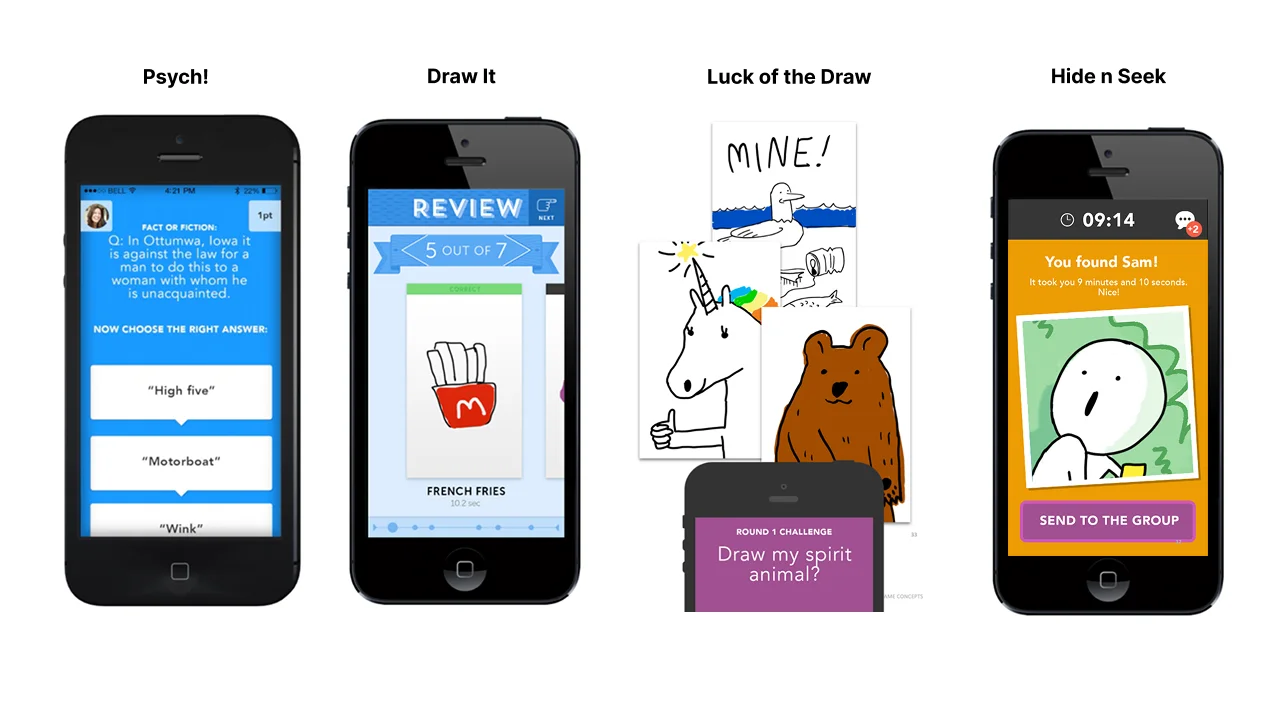
- Directed Hide-n-Seek, Draw It, Luck of the Draw, and Psych!
- Picked Psych! as the first concept to build
Technical Direction
- Guided design and technical decisions to ensure cross-platform (iOS/Android) reliability
- Managed the team building and hardening the multiplayer session layer
- Ran live, mixed-device play-testing and drove refinements until the connection experience felt invisible
From Concept to Production Pick
Psych! was one of several same-room parlor game concepts prototyped during an earlier strategy engagement with Warner Brothers. The mesh-networking and proximity-awareness prototypes from that engagement proved the category out in pitches; production shipped on cloud-based messaging instead.
Design & Development
We staggered the development timeline, starting with Psych! on iOS to lock the interaction model and the multiplayer session architecture before porting to Android, deliberately proving out the hardest cross-platform reliability problems on one OS first, rather than building both at once and debugging platform-specific sync issues twice.
Psych! App Design
Deck Selection
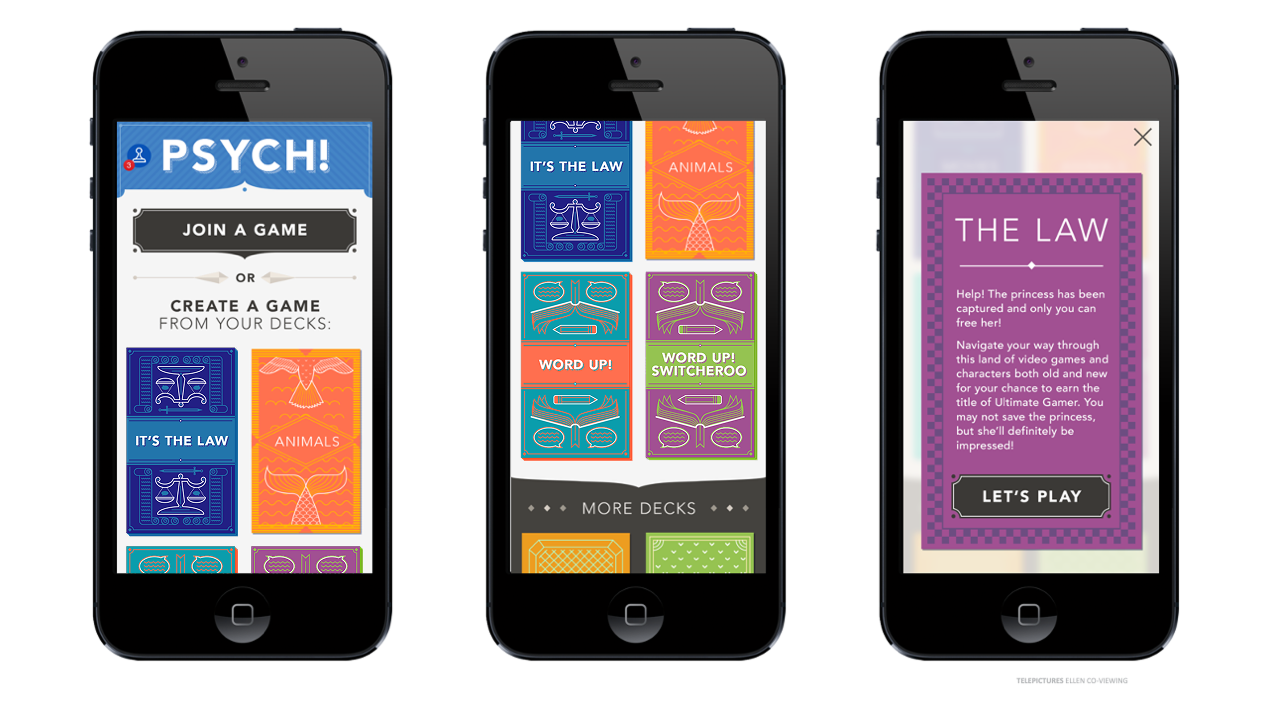
Trivia in the game is grouped into decks, each with its own topic. The app came with two free decks, and additional decks could be purchased in-app for $0.99.
Write a fake answer
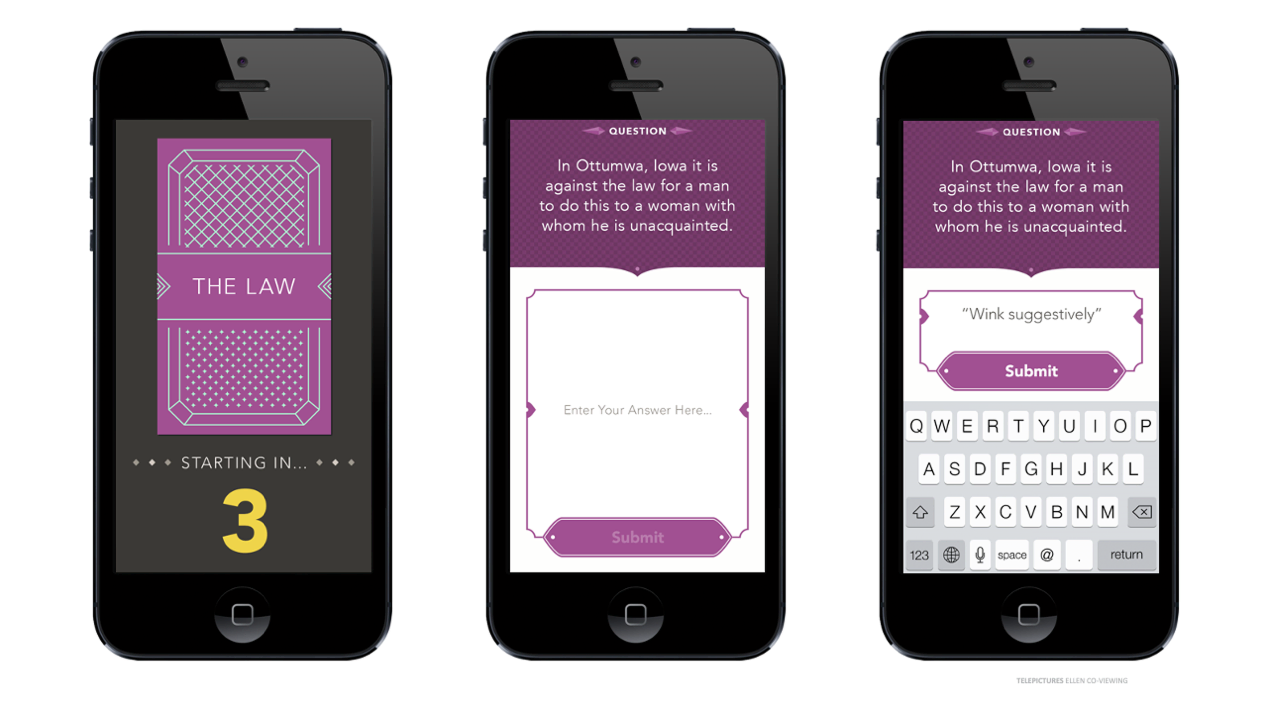
Everyone in the game sees the same trivia question. The first step is to secretly write a made-up answer that sounds as believable as possible.
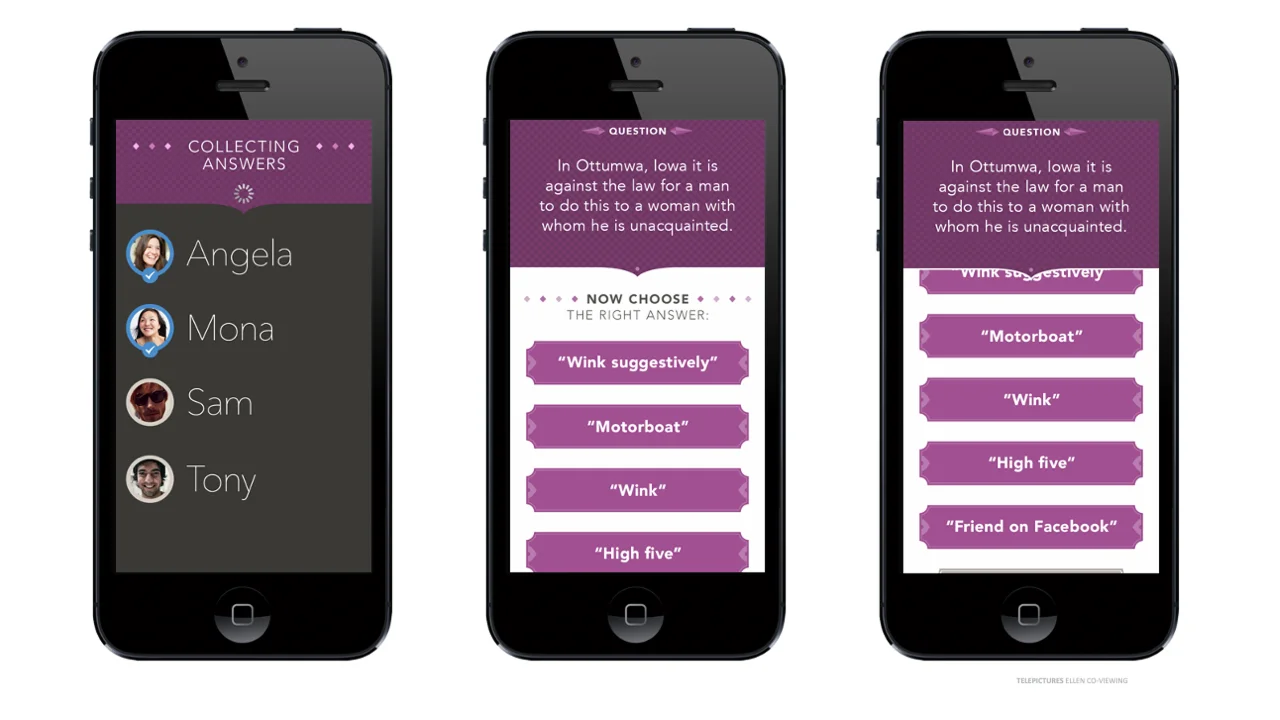
Choose Your Answer
After all answers are submitted, they are presented to all players. Everyone then chooses what they think is the real answer.
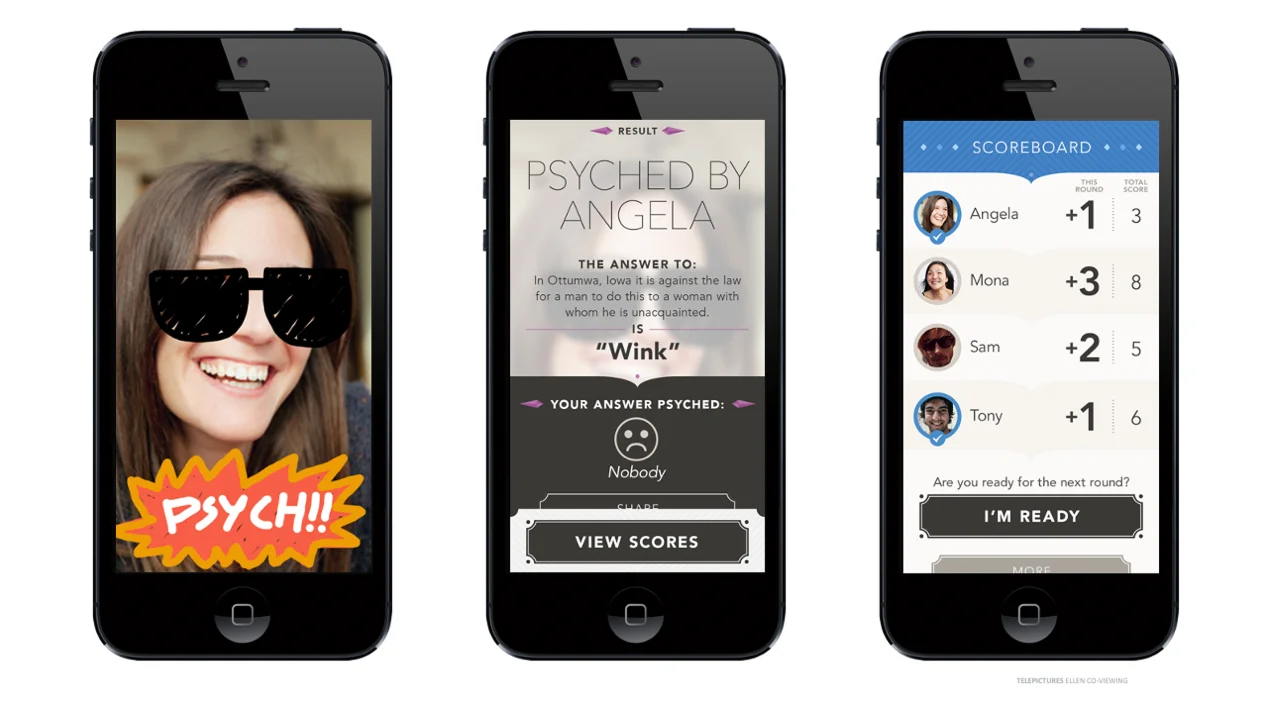
Psych!
If you choose another player’s fake answer, you have been “Psych’d!” and a point goes to the person who created that answer. If you choose the correct answer, you get points. The player with the most points at the end of five rounds wins.
Launch and Impact
Psych! launched first.
Integrated Campaign with the Ellen Show
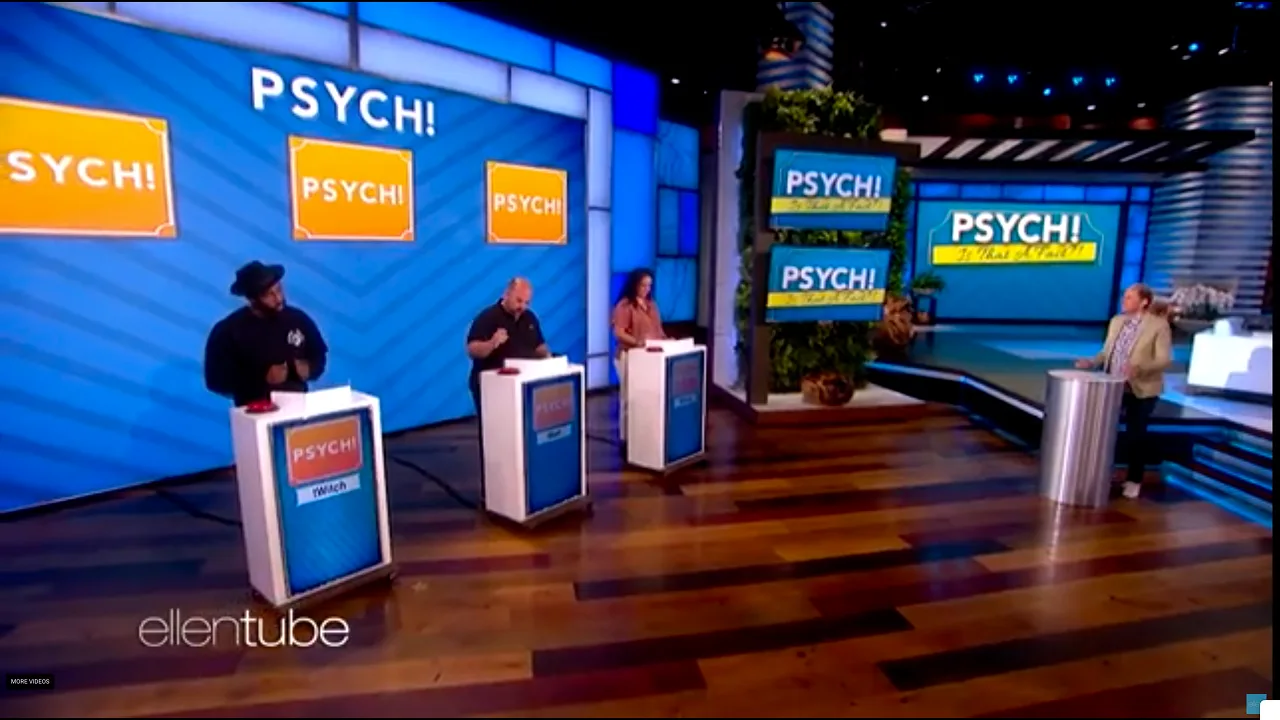
On Air
A variation of the game was used on the show with guests and staff
Ellen Voiceover for Intro
Ellen provided voiceover for in-app intro video
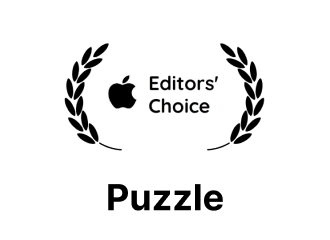
3M+
Downloads 1st Year
12M+ year to date
9
Months
Top 5 Puzzle Game
I was proud of the work the team did, and the client was ready to launch the second game, Draw It. As it turned out, Sequence was acquired by Salesforce, and we were not able to continue the effort and see the full suite brought to market.