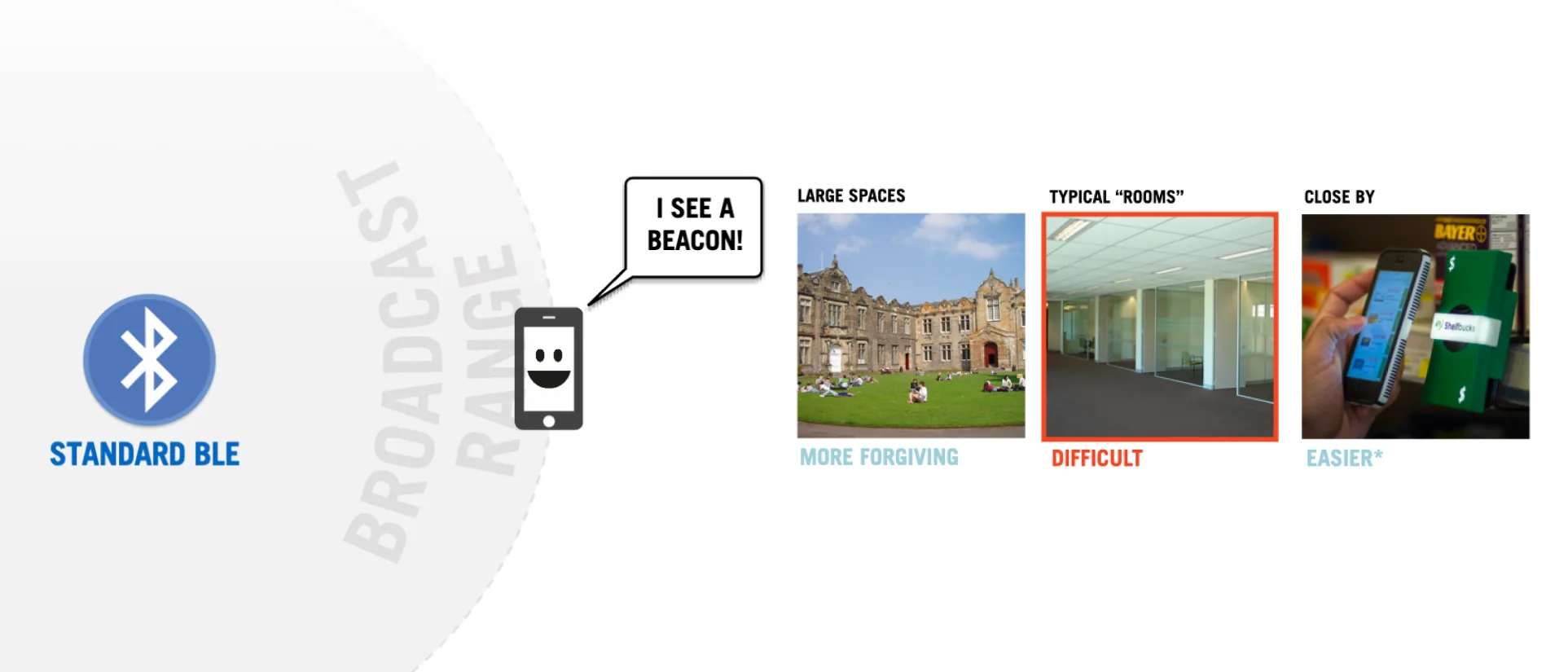
Executive Summary
Cutting Through the Hype: Testing What BLE Beacons Could Actually Do
Context
Sequence: Internal R&D
Timeline
Side Project
Project
BLE beacon capability testing
My Role
Program & Design Lead
The Problem
- BLE beacons and proximity-aware experiences were an emerging technology we were tracking on our clients’ behalf, and no one could say what was possible.
- Manufacturer marketing and trade-press articles made it hard to separate real capability from hype
Outcome
- Built custom BLE beacon hardware in-house to independently test range, accuracy, and reliability under real-world conditions
- Published a white paper and gave a talk at the App Developers Conference on what beacon technology could realistically deliver
My Role
- Led the technical exploration and testing methodology
- Authored the white paper and delivered the conference talk
Detailed Case Study
Context and Challenge
The Hype
Part of our job was tracking emerging technology before clients thought to ask about it. Beacons caught our attention early, and this was the kind of thing being put in front of us: proximity-aware retail, personalized offers the moment a shopper walked past a shelf, seamless indoor wayfinding, all of it presented as shipping capability. What none of it included was evidence: no range figures, no accuracy under real store conditions, no battery numbers, no mention of interference. Big promises, no proof. That gap was what made us curious enough to go find out for ourselves.
Why This Problem Mattered
What was not working
Vendors were making promises that genuinely excited us, but the claims arrived with nothing behind them, and we were not willing to stake a client recommendation on something we could not verify ourselves
Why it was hard
Getting real-world data meant designing the test ourselves: deciding what to measure, how to isolate range from interference and battery drain, and what a realistic store environment looked like.
Strategic risk
Recommending an unproven technology to clients risked wasted investment and credibility, in either direction: overselling or dismissing it too early
My Role and Decision Ownership
I led the creation of the testing protocols and was the design interface with the development team, defining the requirements each build had to meet.
R&D Lead
Designed the test cases and methodology with engineering partners
Author
Wrote the white paper synthesizing findings for client and public audiences
Speaker
Presented findings at the App Developers Conference
Approach & Execution
Building and Testing Custom Hardware
Working with engineers, we built our own BLE beacon hardware to run controlled tests (range and accuracy across different environments, battery behavior over time, and interference from other radio sources) rather than relying on manufacturer specs.
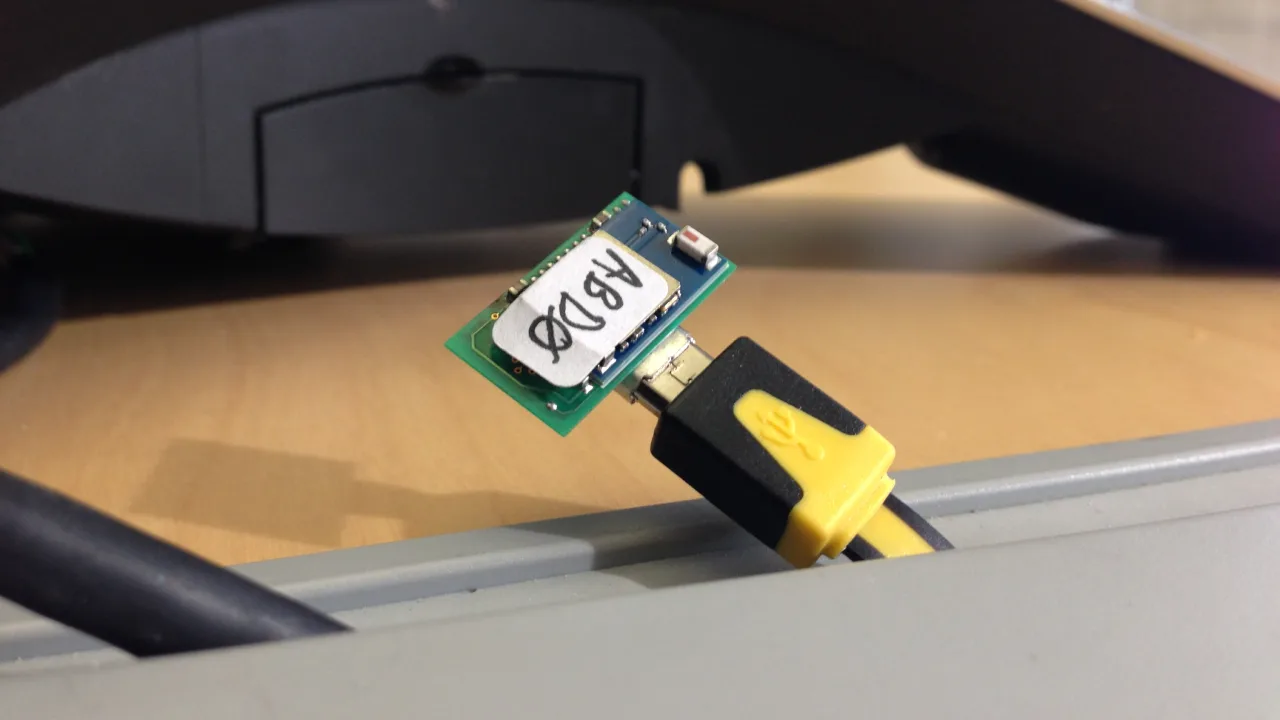
Custom Beacon Hardware
The in-house beacon build used for testing
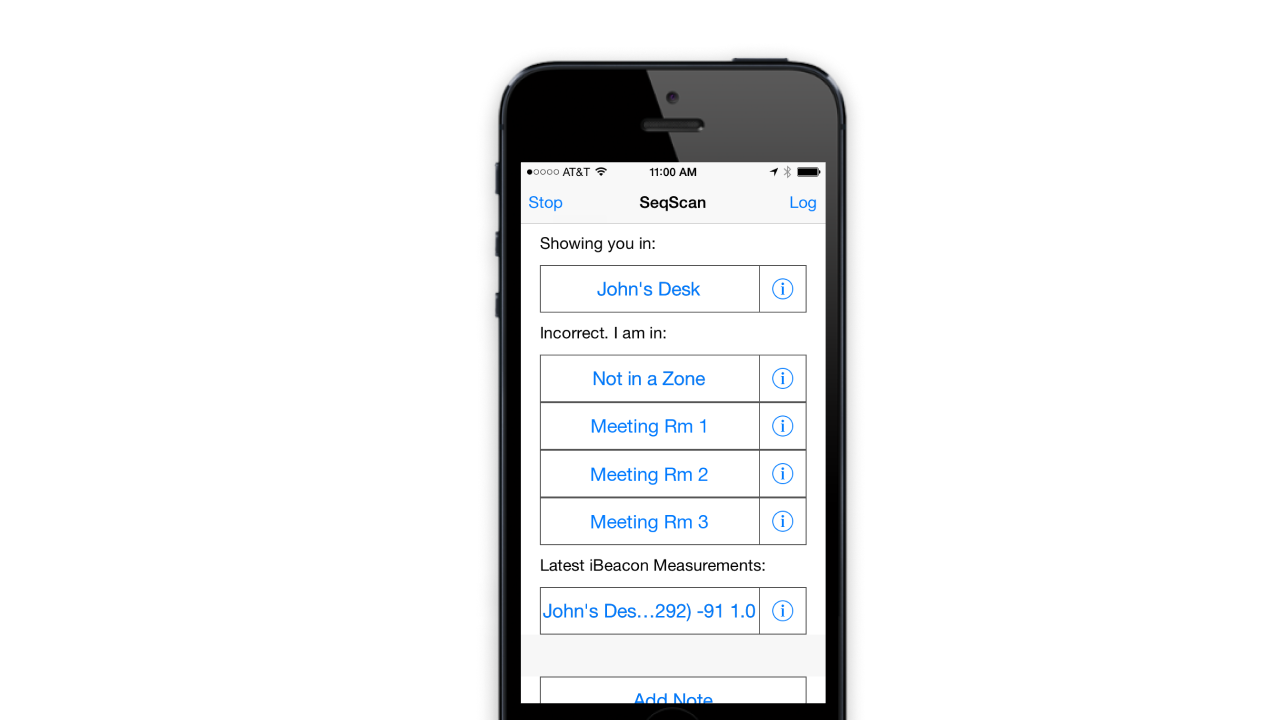
Field Test Setup
Testing range and accuracy across real-world environments
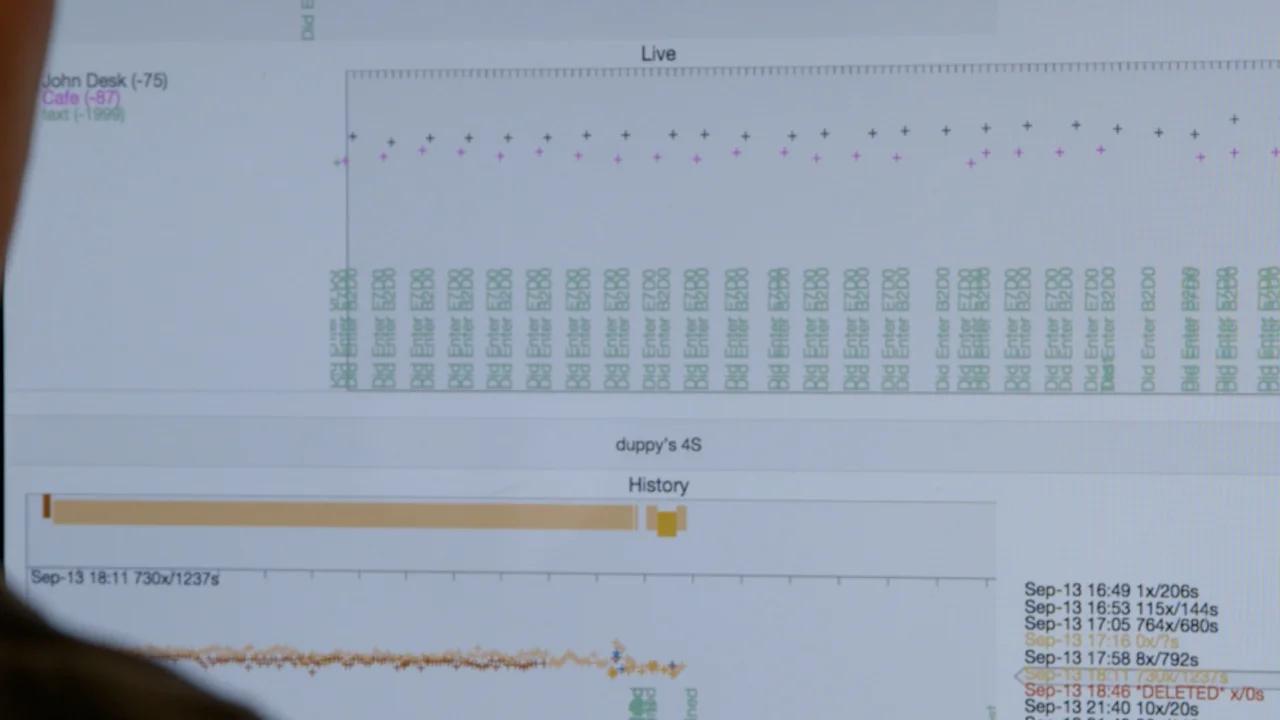
Results Data
Charting measured performance against manufacturer claims
White Paper & App Developers Conference Talk
Findings were synthesized into a white paper and a conference talk aimed at helping other teams make grounded, realistic decisions about beacon technology instead of chasing the hype cycle.
A recording of the talk, iBeacons, BLE Beacons and Everything In Between, is available on the GDC Vault, and the slides are posted on SlideShare.
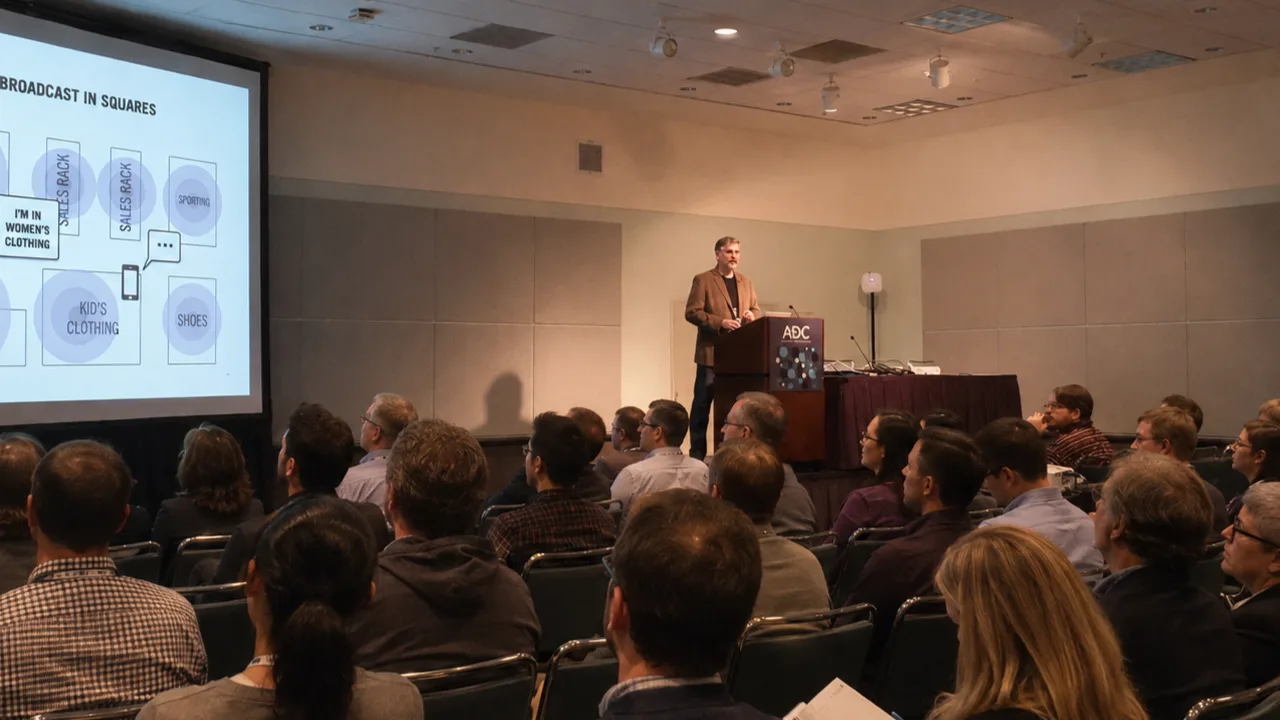
Conference Talk
Presenting findings at the App Developers Conference
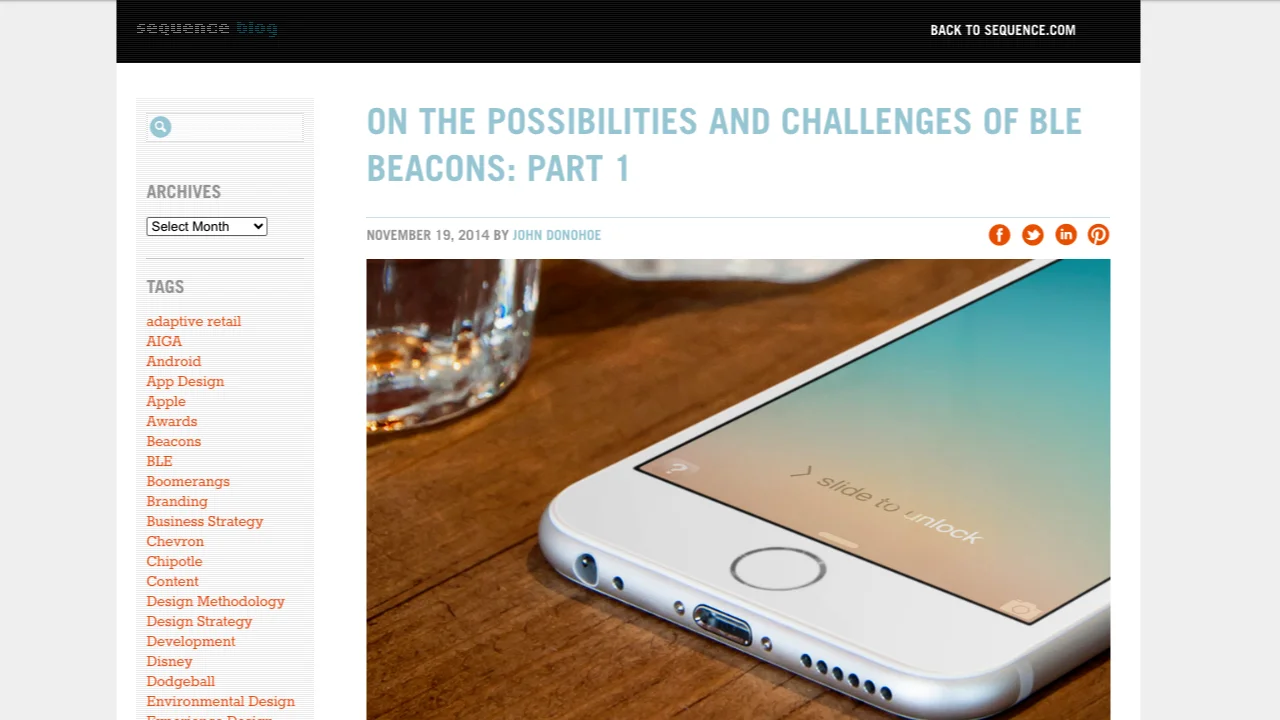
White Paper
Cover / excerpt from the published findings
Teaser Video
To introduce the white paper, we cut a short teaser that led with a few findings, showing what the beacons did in testing rather than describing the paper. It gave the research a hook that could travel on its own ahead of the full document.
Outcome & Influence
The paper, the talk, and the teaser were the visible output. What they produced for the agency and our clients mattered more.
Thought leadership for the agency
The white paper, conference talk, and teaser video became marketing in their own right: proof that we tested emerging technology ourselves instead of repeating vendor claims back to clients. It gave the agency a credible, evidence-backed position on a category everyone else was speculating about.
Grounded strategic advice for clients
The findings fed directly into our strategy work with clients in retail and other physical spaces, replacing vendor promises with measured numbers. That advice included one pilot program, scoped to what the hardware could deliver rather than what the category was claiming.
A repeatable way to vet emerging tech
Build it, measure it, publish what we find. The method outlasted the technology. It became how we evaluated the next round of claims that arrived without evidence behind them.
The Postscript
The findings held up. Within about a year, the vendor behind the marketing video at the top of this case study had dropped the hardware entirely, and the company is no longer in business. The gap between what the category promised and what the hardware could do turned out to be wide enough to take the vendor down with it, and clients who had been weighing a bet on it were spared one.